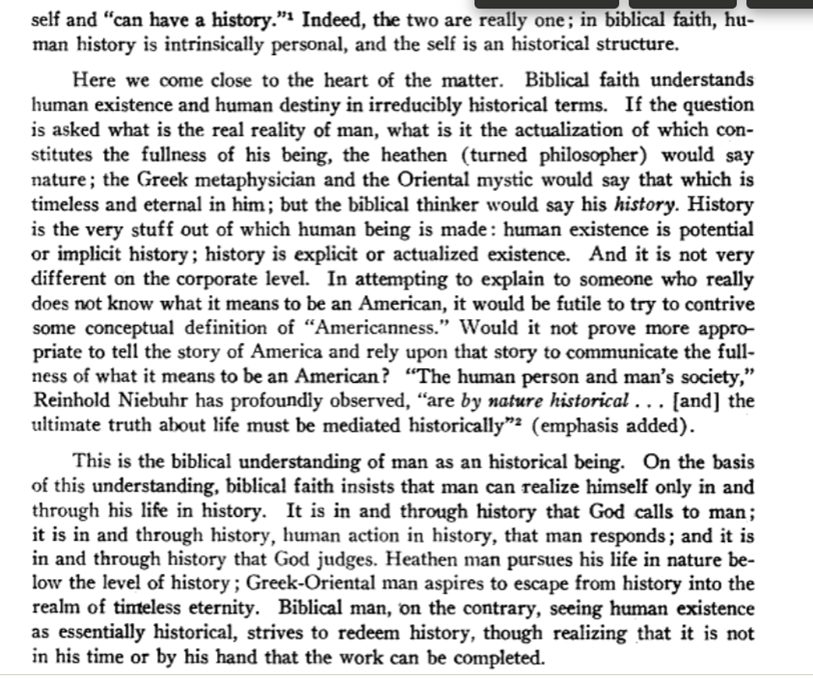
The many names of God
Video Link: https://youtu.be/KYo4sHKguys?t=7172
I open my discussion with a question of how
many names Jews would normally carry: The Hebrew name, for religious services,
the common local language name ( English, Persian, Arabic, etc), the common
Jewish-language name( Yiddish or Ladino, such as Vulf for Zeev, Fortuna for
Mazal), and then a nickname- Vulf becomes Velvel. To add to it, a slogan name,
as was suggested-der Litvak- the Lithuanian, or der Shtarker- the Tough One.
Why is it that God tells Moses his name, in the
opening of the portion of Vaera, even though he already heard it a few chapters
before?
The question is ancient, made critical in
modern times over a century ago by Julius Wellhausen.
Documentary hypothesis-Julius Wellhausen
Not original, but he gave it his most famous form.
Key element- the choice of names of God-
J-
Jawvist - those traditions that
used YHWH( formally termed Tetragrammaton-the Four-Letter Name) in the Bible texts, from the Kingdom of Judea
E=Elohist - those traditions that used Elohim in the Bible texts, from the
Kingdom of Israel
JE- A merger of the two documents, merging the two names together,
YHWH Elohim.
D- Deuternomist- mainly, Deuteronomy
P- Priestly- mainly Leviticus
It am not going into a critique or
defense-Wellhausen has been dismissed as a theological anti-Semite, but many
scholars think there is still merit to his approach.
But it gives rise to the question, as in
Shakespeare Romeo and Juliet- “What ‘s in a Name? A rose by any other name
would smell as sweet.”
But knowing names is critical to Biblical
thought
God starts by naming names Yom, Laylah etc
Adam’s 1st task- naming animals. He takes over
a divine prerogative.
Jacob struggles with angel
: וַיִּשְׁאַ֣ל
יַעֲקֹ֗ב וַיֹּ֙אמֶר֙ הַגִּֽידָה־נָּ֣א שְׁמֶ֔ךָ וַיֹּ֕אמֶר לָ֥מָּה זֶּ֖ה
תִּשְׁאַ֣ל לִשְׁמִ֑י וַיְבָ֥רֶךְ אֹת֖וֹ שָֽׁם
׃ Jacob asked, “Pray tell me your name.” But he said, “You must not
ask my name!” And he took leave of him there. Gen 32:30
The angel comes to Manoah and his wife to
announce the birth of Samson:
וַיֹּ֧אמֶר מָנ֛וֹחַ אֶל־מַלְאַ֥ךְ ה"
מִ֣י שְׁמֶ֑ךָ כִּֽי־יָבֹ֥א
וְכִבַּדְנֽוּךָ׃
So Manoah said to the angel of the LORD, “What
is your name? We should like to honor you when your words come true.”
וַיֹּ֤אמֶר לוֹ֙ מַלְאַ֣ךְ ה” לָ֥מָּה
זֶּ֖ה תִּשְׁאַ֣ל לִשְׁמִ֑י וְהוּא־פֶֽלִאי׃ {פ}
The angel said to him, “You must not ask for my name; it is unknowable!”(Judges
13)
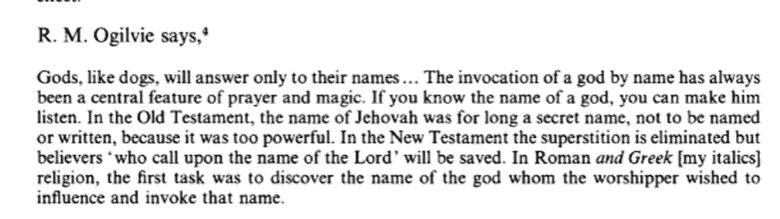
JOURNAL ARTICLE
The Power of Names in Classical Greek Religion
So, we can ask, what is God’s name:
Moses asks at burning bush
( This is a real burning bush shrub in fall
foliage)

וַיֹּ֙אמֶר֙ כִּֽי־אֶֽהְיֶ֣ה עִמָּ֔ךְ
וְזֶה־לְּךָ֣ הָא֔וֹת כִּ֥י אָנֹכִ֖י שְׁלַחְתִּ֑יךָ בְּהוֹצִֽיאֲךָ֤ אֶת־הָעָם֙
מִמִּצְרַ֔יִם תַּֽעַבְדוּן֙ אֶת־הָ֣אֱלֹהִ֔ים עַ֖ל הָהָ֥ר הַזֶּֽה׃
And [God] said, “I will be with you; that shall be your sign that
it was I who sent you. And when you have freed the people from Egypt, you shall
worship God at this mountain.”
וַיֹּ֨אמֶר מֹשֶׁ֜ה אֶל־הָֽאֱלֹהִ֗ים
הִנֵּ֨ה אָנֹכִ֣י בָא֮ אֶל־בְּנֵ֣י יִשְׂרָאֵל֒ וְאָמַרְתִּ֣י לָהֶ֔ם אֱלֹהֵ֥י
אֲבוֹתֵיכֶ֖ם שְׁלָחַ֣נִי אֲלֵיכֶ֑ם וְאָֽמְרוּ־לִ֣י מַה־שְּׁמ֔וֹ מָ֥ה אֹמַ֖ר אֲלֵהֶֽם׃
Moses said to God, “When I come to the
Israelites and say to them, ‘The God of your fathers’ [house] has sent me to
you,’ and they ask me, ‘What is [God’s] name?’ what shall I say to them?”
וַיֹּ֤אמֶר אֱלֹהִים֙ אֶל־מֹשֶׁ֔ה אֶֽהְיֶ֖ה אֲשֶׁ֣ר אֶֽהְיֶ֑ה
וַיֹּ֗אמֶר כֹּ֤ה תֹאמַר֙ לִבְנֵ֣י יִשְׂרָאֵ֔ל אֶֽהְיֶ֖ה שְׁלָחַ֥נִי אֲלֵיכֶֽם׃
And God said to Moses, “Ehyeh-Asher-Ehyeh,
“Thus shall you say to the Israelites, ‘Ehyeh.” sent me to you.’”
וַיֹּ֩אמֶר֩ ע֨וֹד אֱלֹהִ֜ים
אֶל־מֹשֶׁ֗ה כֹּֽה־תֹאמַר֮ אֶל־בְּנֵ֣י יִשְׂרָאֵל֒ ה" אֱלֹהֵ֣י אֲבֹתֵיכֶ֗ם אֱלֹהֵ֨י אַבְרָהָ֜ם אֱלֹהֵ֥י
יִצְחָ֛ק וֵאלֹהֵ֥י יַעֲקֹ֖ב שְׁלָחַ֣נִי אֲלֵיכֶ֑ם זֶה־שְּׁמִ֣י לְעֹלָ֔ם
וְזֶ֥ה זִכְרִ֖י לְדֹ֥ר דֹּֽר׃
God said
further to Moses, “Thus shall you speak to the Israelites: ה”
the God of your fathers’ [house]—the God of
Abraham, the God of Isaac, and the God of Jacob—has sent me to you:This shall be My name
forever,This My appellation for all eternity.
Ehyeh- is an odd name-literally- I will be. It sound like an avoidance- I am what I
am-I will be what I will be.
Rashi
אהיה אשר אהיה. אֶהְיֶה
עִמָּם בְּצָרָה זוֹ אֲשֶׁר אֶהְיֶה עִמָּם בְּשִׁעְבּוּד שְׁאָר מַלְכֻיּוֹת.
I shall be with them in this trouble as I will
be with them in future subjugation to other kingdoms!
(Taken from Talmud 9b)
Rashi’s instinct here is good. Ehyeh It
indicates God as a presence with in the suffering people of Israel. Ehyeh is
what God tells Moses a line before” Ehyeh” I will be with you. For that reason,
he follows up with the YHWH and a definition: ה” the God of your fathers’ [house]—the God of Abraham, the God
of Isaac, and the God of Jacob—has sent me to you:This shall be My name
forever,This My appellation for all eternity. The historic . not abstract,
connection.
Going back to the idea of naming names as a way
of control- God’s name is very evasive, unclear, intentionally-there is no
control over God by use of the name.
We follow our narrative:
Moshe goes to Pharaoh the first time, with this
name of God:
Ex:5
וְאַחַ֗ר בָּ֚אוּ מֹשֶׁ֣ה וְאַהֲרֹ֔ן
וַיֹּאמְר֖וּ אֶל־פַּרְעֹ֑ה כֹּֽה־אָמַ֤ר ה” אֱלֹהֵ֣י יִשְׂרָאֵ֔ל שַׁלַּח֙
אֶת־עַמִּ֔י וְיָחֹ֥גּוּ לִ֖י בַּמִּדְבָּֽר׃
Afterward Moses and Aaron went and said to
Pharaoh, “Thus says ה”, the God of Israel: Let
My people go that they may celebrate a festival for Me in the wilderness.”
וַיֹּ֣אמֶר פַּרְעֹ֔ה מִ֤י ה” אֲשֶׁ֣ר
אֶשְׁמַ֣ע בְּקֹל֔וֹ לְשַׁלַּ֖ח אֶת־יִשְׂרָאֵ֑ל לֹ֤א יָדַ֙עְתִּי֙ אֶת־יה"
וְגַ֥ם אֶת־יִשְׂרָאֵ֖ל לֹ֥א אֲשַׁלֵּֽחַ׃
But Pharaoh said, “Who is ה”
that I should heed him and let Israel go? I do not know ה”, nor will I let Israel go.”
Everything goes downhill from here, and Moses
goes back to the desert to complain:
וַיָּ֧שׇׁב מֹשֶׁ֛ה אֶל־יְהֹוָ֖ה
וַיֹּאמַ֑ר אֲדֹנָ֗י לָמָ֤ה הֲרֵעֹ֙תָה֙ לָעָ֣ם הַזֶּ֔ה לָ֥מָּה זֶּ֖ה
שְׁלַחְתָּֽנִי׃
Then Moses returned to ה”
and said, “O my lord, why did You bring harm upon this people? Why did You send
me?
וּמֵאָ֞ז בָּ֤אתִי אֶל־פַּרְעֹה֙
לְדַבֵּ֣ר בִּשְׁמֶ֔ךָ הֵרַ֖ע לָעָ֣ם הַזֶּ֑ה וְהַצֵּ֥ל לֹא־הִצַּ֖לְתָּ
אֶת־עַמֶּֽךָ׃
Ever since I came to Pharaoh to speak in Your name, he has dealt worse with this people;
and still You have not delivered Your people.”
Ex:6
וַיֹּ֤אמֶר ה” אֶל־מֹשֶׁ֔ה עַתָּ֣ה
תִרְאֶ֔ה אֲשֶׁ֥ר אֶֽעֱשֶׂ֖ה לְפַרְעֹ֑ה כִּ֣י בְיָ֤ד חֲזָקָה֙ יְשַׁלְּחֵ֔ם
וּבְיָ֣ד חֲזָקָ֔ה יְגָרְשֵׁ֖ם מֵאַרְצֽוֹ׃ {ס}
Then ה”
said to Moses, “You shall soon see what I will do to Pharaoh: he shall let them
go because of a greater might; indeed, because of a greater might he shall
drive them from his land.”
Now comes the news, which does not seem to be
news:
וַיְדַבֵּ֥ר
אֱלֹהִ֖ים אֶל־מֹשֶׁ֑ה וַיֹּ֥אמֶר אֵלָ֖יו אֲנִ֥י ה”׃
God spoke to Moses and said to him, “I am ה”.
וָאֵרָ֗א אֶל־אַבְרָהָ֛ם אֶל־יִצְחָ֥ק
וְאֶֽל־יַעֲקֹ֖ב בְּאֵ֣ל שַׁדָּ֑י וּשְׁמִ֣י יה" לֹ֥א נוֹדַ֖עְתִּי לָהֶֽם׃
I
appeared to Abraham, Isaac, and Jacob as El Shaddai, but I did not make Myself
known to them by My name ה”.
However, in Genesis, God often introduces
Himself as “YHWH”, so what’s new?
Again, Rashi
ושמי ה׳ לא נודעתי להם
BUT BY MY NAME THE LORD WAS I NOT KNOWN TO THEM
— It is not written here לא הודעתי [My name the Lord] I did not make known to
them, but לא נודעתי [by My name, the
Lord], was I not known [unto them] — i. e. I was not recognised by them in My
attribute of “keeping faith”, by reason of which My name is called ה׳, which denotes that I am certain to
substantiate My promise, for, indeed, I made promises to them but did not
fulfill them [during their lifetime].
In other words, they heard the name- but they
did not understand what it meant! Keeping faith. Now, in your generation, you
will see YHWH as the fulfillment of the promise. Again, tying in very well with
the concept of “ Ehyeh”,
being with.
So what is this YHWH- very similar to EHYH- variation on “ to be”.
He shall be- I shall be. A philosophical concept of
being and becoming. Hu
hayah- hu-hoveh- hu yihyeh-He was-is-will be.
Variation- Yah- and Yahoo, as parts of personal
names-Eliyahu, Jehu, or words: Hallelujah-Praise Yah ( Rastafarians love Yah).
Under the influence of the Canaanites, Baal
often appeared in names, only to be removed, as Yerubaal , May Baal contend, became Gideon,the one who cuts down
Baal,,and Ishbaal , A man of Baal, Saul’s son became Ishboshet, a man of shame.
By the way, what happens when you reverse the
names, Hananiah or Azaria. They are the Carthaginian Hannibal and Hasdrubaal.
Alternate approach, one which works well with
Rashi’s choice of ”being with.”

(Santa Katarina
monastery, next to Jebel Musa. In the heart of Sinai. Midianites territory.)
In 1956, Shelomo Dov Goitein (1900-1985), a
scholar of both Jewish and Arabic studies,[16] suggested that the name derives
from the Arabic root h.w.y (هوى),
and the word hawaya (هوايا), which means “love, affection, passion,
desire.”[17] He connected this suggestion with the passage in
Exodus 34, in a set of laws known by scholars as the Ritual Decalogue. One of
the laws, which forbids Israel to worship other gods, reads:
שמות לד:יד כִּי לֹא
תִשְׁתַּחֲוֶה לְאֵל אַחֵר כִּי יְ־הוָה קַנָּא שְׁמוֹ אֵל קַנָּא הוּא.
Exod 34:14 For you must not worship any
other god, because YHWH,
whose name is Impassioned, is an impassioned God.
Goitein suggests that “YHWH whose name is
Impassioned” refers to the deity’s personal name YHWH, which means “the
Impassioned One,” and that this name derives from that (proto)Arabic term for
passion. This reflects the idea that YHWH’s bond with his worshipers is one of passionate love, and
YHWH is upset if the worshipers “cheat” by worshipping other gods.
In other words, the worshippers’ relationship
with YHWH must be exclusive.
(https://www.thetorah.com/article/yhwh-the-original-arabic-meaning-of-the-name)
This goes very well with the understanding of the Prophets, such as Hosea, who see the relation between God and the People of Israel as a lover's quarrel, as well as the Rabbis, who see the Song of Songs as a love story between God and the people of Israel.
Again, as a corollary- God is unseen. When
Moses asks to see God, he is given a rear view mirror .Ex 34:6
!ה”! ה” a God compassionate and gracious, slow to
anger, abounding in kindness and faithfulness,
נֹצֵ֥ר*(בספרי תימן נֹצֵ֥ר בנו״ן רגילה) חֶ֙סֶד֙ לָאֲלָפִ֔ים נֹשֵׂ֥א עָוֺ֛ן וָפֶ֖שַׁע וְחַטָּאָ֑ה וְנַקֵּה֙ לֹ֣א
יְנַקֶּ֔ה פֹּקֵ֣ד ׀ עֲוֺ֣ן אָב֗וֹת עַל־בָּנִים֙ וְעַל־בְּנֵ֣י בָנִ֔ים
עַל־שִׁלֵּשִׁ֖ים וְעַל־רִבֵּעִֽים׃ extending kindness to the thousandth generation,
forgiving iniquity, transgression, and sin—yet not remitting all punishment,
but visiting the iniquity of parents upon children and children’s children, upon
the third and fourth generations.”
So , going back to Wellhausen- what is the
argument against his claim that Elohim is northern, YHWH is southern?
The difference is , by many commentators, a
matter of who is speaking to whom:
Elohim- El-Eloah-singular-Elohim-plural- is
equivalent to the old antiquities term” The Gods”-generic. When is it used?
When Hebrews speak to Gentiles:
Gen 20 Avimelech thinks Sarah is Abraham’s
sister. Abraham says” There is no fear of Elohim.” Then Abraham prays to Elohim to make
Avimelech’s wife fertile, “for YHVH had closed fast every womb of the household of Abimelech because
of Sarah, the wife of Abraham.Note the switch in use of names.
And in the very next line:
ה"פקַ֥ד אֶת־שָׂרָ֖ה
כַּאֲשֶׁ֣ר אָמָ֑ר וַיַּ֧עַשׂ ה" לְשָׂרָ֖ה כַּאֲשֶׁ֥ר דִּבֵּֽר׃ took
note of Sarah as promised, and YHWH did for Sarah what had been announced.
A second context to Elohim- it is associated
with the word” judges” and judgement. Thus, Rabbis understood “Elohim” as
attribute of justice, YHWH as attribute of Mercy.
ופירש כי לפי הענין שאני עושה בעולמי
זה הוא שמי אם במדת הדין נקרא שמי אלהים, ואם במדת רחמים נקרא שמי ה׳, ואם במלחמה
נקרא שמי צבאות, ואם לעזרה נקרא שמי שדי, בכל אלו הדברים לא נודעתי להם, ולא
נגליתי להם בלבת אש, כי אם במראה ובהירות, אבל אליך פה אל פה כאשר ידבר איש אל
רעהו.
Midrash Lekah Tov 6 :3
My name is as I act in the world: With justice,
then My name is Elohim. With Mercy, my name is YHWH.In war, then Tsevaot( the
armies, the hosts of heavens). In help,
Shadai ( powerful).To you, Moses, I speak, directly, person to person, not in
riddles and dreams.
Actually, we are told, there are multiple names
for God in the Bible.
Avot D'Rabbi Natan 34:2
The Holy Blessed One is praised with ten names.
They are as follows: A-D-O-N-A-I, E-L-O-H-I-M, E-L-O-A-H, E-L-O-H-E-Kh-A,
E-L-O-H-E-Kh-E-M, E-L, E-H-I-Y-E-H A-S-H-E-R E-H-I-Y-E-H, Sh-A-D-A-I, and
Tzevaot. Rabbi Yosei disagreed that Tzevaot was one of them, for it says
(Deuteronomy 20:9), “Appoint generals for the armies (tzevaot) to head the
people.”
To this, the Rabbis added
Shekhinah, presence-The noun form of a verb
used in the Torah to describe God’s in-dwelling in the midst of his people.
Makom, the Place of the Universe, as in “ The
universe is not the place of God, but God is the place of the universe.”
Then, Kinuyei Hashem. Hashem, hakadosh Baruch
hu, Atik Yomin.
Kabbalah adds
Ein Sof
Then, there are in Kabbalistic lore,12 letter
name, 22 letter name, 72 letter name.
This enters Christian texts as well. What is
called Shem Hamephorash in Hebrew sources becomes Semamphoras in
European texts.
The Renaissance philosopher, Reuchlin,
identified 72 different names.
Here is the list from Reuchlin
https://en.wikipedia.org/wiki/Shem_HaMephorash#Angels_of_the_Shem_HaMephorash
Reuchlin’s research on Hebrew sources was a
factor in the Protestant Reformation, which ushered in age of Revolution, now
going full circle. It goes from Moses and the liberation from Egypt to the
liberation of the beginnings of modern history with the revolutions against the
rule of Churches and Kings.
.Note: Bible text and translation from Sefaria.org.and modified as needed.